

Ever had that gut-drop moment when you see flashing lights in your rearview mirror, and suddenly remember your insurance card is somewhere under a pile of fast-food receipts? Yeah, I’ve been there.
Auto insurance can feel like one of those adult responsibilities we’d rather not deal with, until the day we really need it. The truth is, understanding your policy and knowing a few solid auto insurance tips can save you hundreds (sometimes thousands) of dollars each year. Whether you’re buying your first car or renewing a 10-year policy, there’s always something new to learn in this ever-changing industry.
Let’s talk through the little things that actually make a big difference, from choosing the right coverage to avoiding costly mistakes that most drivers don’t even realize they’re making.
What Is Auto Insurance and Why It Matters
Auto insurance isn’t just a legal requirement; it’s financial protection for life’s unpredictable moments. It’s there to cover repairs, medical costs, or even lawsuits after an accident.
Here’s what a standard policy usually includes:
- Liability Coverage: Pays for damage or injury you cause to others.
- Collision Coverage: Covers damage to your own car from accidents.
- Comprehensive Coverage: Protects against theft, fire, weather, or vandalism.
- Uninsured/Underinsured Motorist: Helps when the other driver doesn’t have enough insurance.
Think of it as a safety net that keeps a bad day from turning into financial disaster.
How the Right Auto Insurance Can Save You Money

When I bought my first car, I didn’t think much about coverage. I just wanted the cheapest plan I could find. Big mistake. When my bumper met a concrete pillar (oops), I realized how coverage choices really matter.
Here’s how the right auto insurance actually helps your wallet:
- Avoids out-of-pocket repair costs after accidents or natural disasters.
- Prevents premium hikes by choosing higher deductibles wisely.
- Offers discounts for good driving, multiple policies, or even going paperless.
- Protects your assets if you’re ever at fault in a major accident.
Tip: Always compare rates from at least three insurers. You’d be surprised how much they vary for the exact same coverage.
Who Needs Auto Insurance (and How Much)?
Basically, if you own or drive a car, you need insurance, period. Most states legally require at least liability coverage. But what you need beyond that depends on:
- The value of your car (new or used?)
- How much you drive daily
- Whether your car is financed or leased
- Your financial comfort zone (can you afford to repair or replace it yourself?)
For example, if you’re driving a 10-year-old car that’s fully paid off, dropping collision coverage might save you hundreds a year. On the other hand, a new SUV probably deserves full coverage — it’s worth too much to risk.
Smart Auto Insurance Tips Every Driver Should Know
1. Don’t Buy More Than You Need
Some agents might push extras like rental reimbursement or roadside assistance. These can be handy, but they’re not always worth the price. Check your credit card or AAA membership; you might already have them.
2. Bundle and Save
If you have homeowners, renters, or even life insurance, consider bundling them under one provider. Insurers often give 10–20% discounts for multi-policy holders.
3. Keep a Clean Record
This one sounds obvious, but it’s huge. Accidents, DUIs, and speeding tickets can haunt your record for 3–5 years. Some insurers even drop your rates after a few years of safe driving.
4. Review Your Policy Yearly
Most people buy insurance once and never look at it again. Big mistake. Rates change, your car depreciates, and new discounts appear. A quick annual check could shave off unnecessary costs.
5. Increase Your Deductible (Cautiously)
Raising your deductible from $250 to $1,000 can lower your premium — but only do it if you’ve got enough savings to cover that deductible in an emergency.
6. Use Telematics and Smart Apps
Some insurers now track your driving habits via apps. Drive safely, brake smoothly, and you could earn major discounts.
Common Auto Insurance Mistakes to Avoid
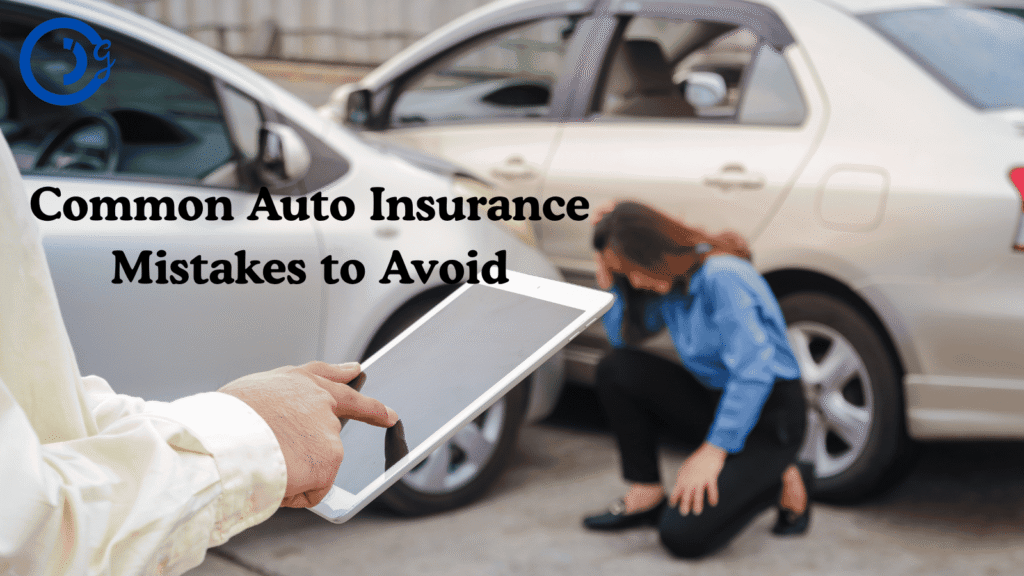
Even smart drivers slip up. Here are a few things I’ve learned the hard way (and seen others do too):
- Not reporting small accidents: It might seem harmless, but if the other party files later, you’re in trouble.
- Letting coverage lapse: Even a week without insurance can spike future premiums.
- Ignoring policy exclusions: Some policies don’t cover natural disasters, custom parts, or rideshare driving. Always read the fine print.
- Using the wrong address: If you move and forget to update your insurer, it could affect your claim later.
It’s all in the details — but those details can decide whether your claim gets approved or denied.
Real-Life Example: How a Small Change Saved Me $420
Last year, I switched my insurer after realizing my old policy didn’t offer a safe driver discount. I signed up for a telematics program that monitored my driving. After six months of clean driving, I got a 20% discount — $420 saved, just like that.
Sometimes, small tweaks make a big difference. Don’t assume loyalty means better prices. In the insurance world, being a smart shopper pays off.
How to Compare Auto Insurance Quotes the Right Way
Comparing insurance isn’t just about picking the cheapest number. Here’s what to actually look for:
| Factor | Why It Matters |
|---|---|
| Coverage Limits | Higher limits = better protection |
| Deductible Amount | Affects your premium directly |
| Customer Reviews | Real experiences matter |
| Claim Process | Some companies make it easy, others don’t |
| Discount Options | Ask about safe driver, good student, or loyalty perks |
Pro Tip: Always get written confirmation of any discounts or offers before signing up.
Understanding Deductibles and Premiums
Let’s simplify:
- Deductible = what you pay before insurance kicks in.
- Premium = what you pay monthly or yearly for coverage.
The lower your deductible, the higher your premium — and vice versa. The trick is finding a balance where you can comfortably pay your deductible if something happens, without breaking your budget on premiums.
Internal Link Idea
You can also check out our detailed guide on [How to File a Car Insurance Claim Step-by-Step] for practical tips after an accident.
External Link Idea
For legal state minimums and more details, visit USA.gov’s auto insurance page — it’s a trusted government source.
FAQs
Disclaimer
This article is for general informational purposes only and does not constitute professional insurance advice. Please consult with a licensed insurance advisor before making any decisions.
Conclusion
Auto insurance doesn’t have to be confusing or expensive. Once you understand what you’re paying for — and what you’re not — you can finally take control of your coverage. Be curious, ask questions, and review your policy like you would any major purchase.
It’s not just about protecting your car. It’s about protecting your peace of mind every time you hit the road.