It’s a strange feeling — one moment you’re watching the sunset on a beach halfway across the world, and the next, your flight’s canceled, your luggage’s missing, or worse, you’ve caught a fever in a place where nobody speaks your language. I’ve been there. And let me tell you — that’s when Travel Insurance suddenly feels like the smartest decision you ever made.
Whether you’re going for a two week vacation or a Six month backpacking trip, travel insurance can be the invisible safety net that saves you when things spiral out of control abroad. It’s not just about protecting your money; it is about peace of mind. Because when you’re thousands of miles from home, even a small mishap can turn into a big, stressful story.
So, let’s talk honestly about what travel insurance really covers, why it’s worth every penny, and how it can literally save your trip when everything seems to go wrong.
What Exactly Is Travel Insurance?
In simple terms, travel insurance is a type of policy designed to protect you from unexpected losses or emergencies that may arise during your trip. Think of it as a financial backup plan for things that can ruin your travel, like trip cancellations, medical emergencies, lost belongings, or flight disruptions.
Most plans cover:
- Trip cancellation or interruption (if you need to cut your trip short)
- Emergency medical expenses (especially overseas)
- Lost, delayed, or stolen baggage
- Flight delays or missed connections
- Emergency evacuation (if you need to be flown back home)
Some comprehensive policies even include coverage for adventure sports, natural disasters, or pandemic-related delays — though it depends on your provider.
Why Travel Insurance Matters More Than You Think
A lot of people skip travel insurance because they think, “What could possibly go wrong?” But real-life travel stories prove otherwise.
Let’s say you’re traveling to Paris and your connecting flight from Dubai gets delayed for 12 hours. You miss your hotel booking, lose a day of your itinerary, and end up paying for an extra night. Without travel insurance, that’s all on you.
Or worse — imagine getting food poisoning in Thailand and needing hospital care. A simple overnight stay can cost hundreds of dollars. If your travel insurance covers medical expenses, you just saved yourself from a financial nightmare.
Here’s what travel insurance really buys you:
- Peace of mind — knowing you’re protected.
- Financial safety — covering costs you never saw coming.
- Emotional relief — because no one wants to argue with airlines or hospitals abroad.
It’s not just paperwork; it’s your lifeline when things go off-script.
Who Actually Needs Travel Insurance?
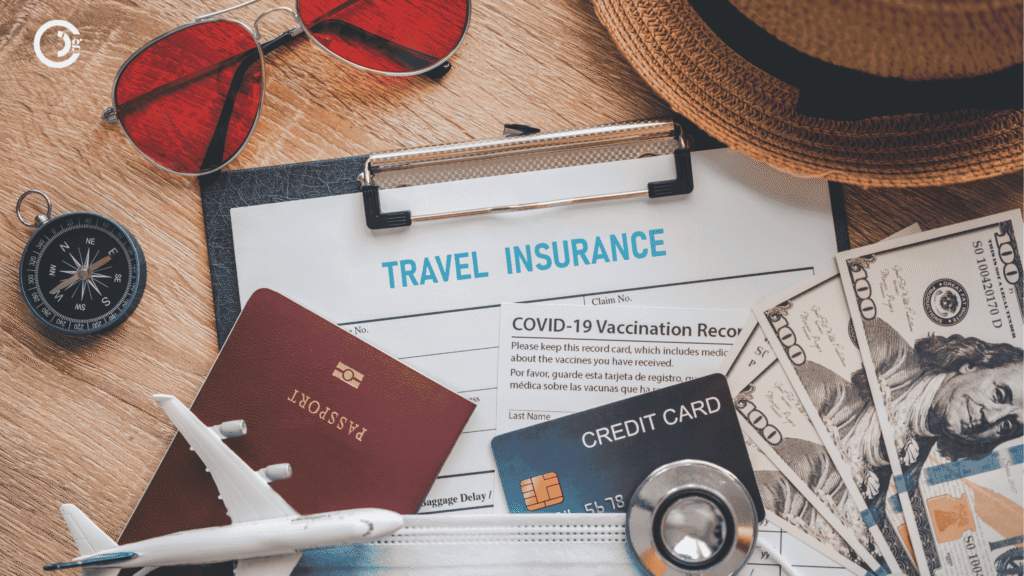
Honestly? Almost everyone. But it’s especially important for:
1. Frequent travelers
Business travelers who fly often face higher chances of cancellations, lost luggage, and delays.
2. Families traveling with kids
Kids can fall sick unexpectedly, and having insurance means you don’t panic or overspend on foreign medical bills.
3. Elderly travelers
Older adults may have pre-existing conditions, and medical care abroad is rarely cheap.
4. Solo travelers or backpackers
When you’re on your own, insurance acts as your emergency contact in a foreign country.
5. Students studying abroad
Even minor health issues can derail studies — having a policy gives parents peace of mind too.
No matter your reason for traveling, if you’re leaving your country — you probably need it.
Key Benefits of Having Travel Insurance
Let’s break down the main reasons why travel insurance isn’t optional — it’s essential.
1. Medical Emergencies
From a sprained ankle to serious illness, healthcare abroad can be ridiculously expensive. Some countries even require proof of travel insurance before granting entry.
2. Trip Cancellations
Unpredictable things happen — maybe a family emergency or bad weather. A good policy refunds your prepaid expenses like flights, hotels, or tours.
3. Lost or Delayed Baggage
Airlines lose bags more often than they admit. If your luggage goes missing, travel insurance helps cover your essentials until it’s found.
4. Flight Delays
Even a few hours of delay can cause missed connections and hotel check-ins. With insurance, you can claim compensation for extra expenses.
5. Emergency Evacuation
If something major happens — like political unrest, natural disaster, or a medical evacuation — your insurer can arrange and cover the cost.
Having these benefits isn’t about fear. It’s about being smart. You don’t plan for bad days, but you can prepare for them.
Real-Life Example: When It Saved a Trip
A close friend of mine, Sarah, was on her honeymoon in Bali when she got into a minor scooter accident. Nothing serious, but she needed stitches and an overnight stay. Her hospital bill? Over $800.
Thankfully, her travel insurance covered the entire cost, including her missed hotel night and new flight arrangements. Without it, she said, “We’d have spent half our honeymoon budget on medical bills.”
That’s the thing — you never think you’ll need it, until you do.
Common Travel Insurance Mistakes

Even smart travelers make these errors — and they cost real money.
- Not reading the fine print — Many people assume everything’s covered, but exclusions (like adventure sports or pre-existing conditions) can surprise you.
- Buying too late — If you wait until after booking your trip or falling ill, certain coverages won’t apply.
- Ignoring local laws — Some countries (like Schengen area nations) require proof of travel insurance for visa approval.
- Overlooking deductibles — Always check how much you’ll pay out-of-pocket before the insurer steps in.
- Skipping receipts — Claims often require documentation. Keep digital copies of bills, tickets, and reports.
A few minutes of careful reading can save hours of stress later.
Tips for Choosing the Right Travel Insurance
Picking the right plan isn’t hard, but you need to look at what really matters.
- Compare plans — Don’t buy the first one you see. Look for a balance between cost and coverage.
- Focus on medical coverage limits — Especially if traveling to countries with high healthcare costs (like the U.S. or Japan).
- Add extras wisely — Adventure sports, gadgets, or rental cars often need add-ons.
- Read reviews — Real customer experiences reveal how responsive insurers are.
- Check claim process — A 24/7 helpline or mobile app for easy claim filing can make a world of difference.
A trusted brand with transparent terms is always better than the cheapest one.
Travel Insurance: How It Saves You When Things Go Wrong Abroad
When things go wrong abroad — lost luggage, canceled flights, or sudden illness — your travel insurance steps in as your silent rescuer.
It reimburses you for unexpected costs, handles emergencies when you can’t, and sometimes even arranges help on the ground. You can’t stop mishaps, but you can control their financial impact. That’s the real power of having coverage before you pack your bags.
Internal & External Link Suggestions
- Internal link idea: “Read next: How to Pick the Right Health Insurance Before You Travel”
- External link idea: Link to U.S. Department of State – Travel Insurance Guide for credible reference.
FAQs
Disclaimer
Disclaimer: This article is for general informational purposes only and does not constitute professional insurance advice. Please consult with a licensed insurance advisor before making any decisions.
Conclusion
Traveling is one of life’s greatest joys — but it also comes with surprises you can’t predict. Having travel insurance doesn’t just save money; it saves your peace of mind. Whether it’s a missed flight, a lost bag, or a hospital visit, knowing someone’s got your back changes everything.
So before your next adventure, take five minutes to choose a plan that fits your journey. Trust me — it’s the kind of small decision that can make a big difference when things go wrong abroad.