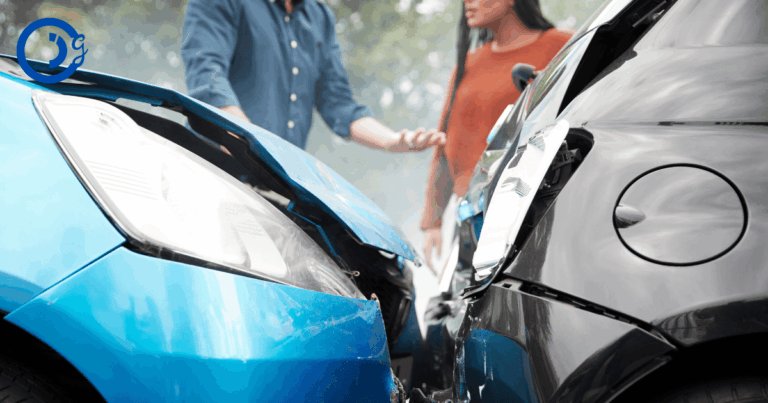
It’s a quiet Sunday afternoon. You’re backing out of a friend’s driveway, and suddenly—bam!—you hit their fence. The first thought that hits you isn’t the damage itself but the question: Will my car insurance even cover this?
Accidents can happen anywhere — on highways, parking lots, or even someone’s backyard. But when it comes to accidents on private property, many drivers in the U.S. aren’t sure how their insurance applies. Does your policy step in, or are you on your own?
I’ve worked with drivers and seen this confusion over and over. Let’s break down what really happens when you’re involved in an accident on private property — what’s covered, what’s not, and how to make sure you’re protected before the unexpected happens.
Does Car Insurance Cover Accidents on Private Property?
In most cases, yes — your car insurance can cover accidents on private property, but it depends on the type of coverage you have and the situation itself.
Private property includes places like:
- Driveways
- Parking lots
- Apartment complexes
- Private roads
- Gated communities
The key thing to understand is that insurance doesn’t usually care whether you’re on public or private land. What matters is how the accident happened and who’s at fault.
For example:
- If you back into someone’s mailbox, your liability coverage might pay for their property damage.
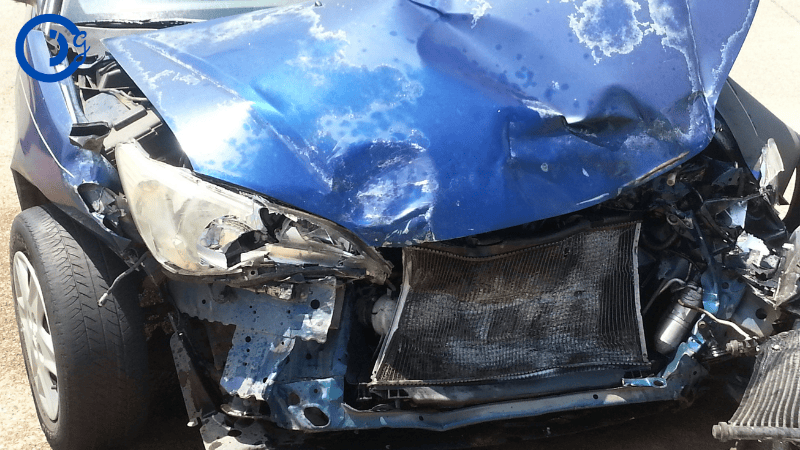
- If your car is damaged in the same incident, your collision coverage could help fix your own vehicle.
But it’s not always black and white — especially when another driver or property owner is involved.
Why This Matters More Than You Think
A lot of people assume that private property equals “no insurance rules.” That’s not true. In fact, many parking lot accidents happen on private property, and those can still lead to claims, disputes, or even police involvement.
The reason this matters is because accidents on private property often lack a clear authority to assign fault. Police reports may not always be filed, and that can make insurance claims a little messy.
So, if you ever find yourself in an accident at a shopping center, someone’s home, or a gated driveway — the way you document and report it can make or break your claim.
Types of Car Insurance That May Apply
Here’s a quick look at the common types of coverage and how they apply on private property:
| Coverage Type | What It Covers | Applies on Private Property? |
|---|---|---|
| Liability | Damage or injury you cause to others | Yes |
| Collision | Damage to your own car from a crash | Yes |
| Comprehensive | Theft, vandalism, natural disasters | Yes |
| Uninsured/Underinsured Motorist | When the other driver doesn’t have enough coverage | Yes |
| Medical Payments (MedPay) | Injuries to you or passengers | Yes |
As you can see, most coverages still apply, regardless of where the accident happens — but the details of the claim process can differ.
Common Real-Life Situations
Let’s walk through a few real-world examples to make things clearer.
1. Backing into a neighbor’s fence
If you accidentally damage someone’s property while on their land, your property damage liability will likely cover it. But your own car’s repairs? That’ll come under collision coverage, if you have it.
2. Hitting another car in a parking lot
Private parking lots see this all the time. If you’re at fault, your liability insurance pays for the other driver’s repairs. If both drivers share fault, both insurers may handle part of the cost.
3. A tree falls on your parked car at home
Even though you’re on private property, comprehensive coverage applies. This isn’t considered an “accident,” but it’s a good example of how coverage still works off the road.
Who’s at Fault on Private Property?
Determining fault can be tricky here. Since private property isn’t governed by traffic laws the same way public roads are, police don’t always file a report.
Instead, insurance companies rely on:
- Photos or videos from the scene
- Witness statements
- Property damage evidence
- Statements from both drivers
It’s crucial to document everything as if it happened on a public street — take photos, exchange insurance info, and report the accident to your insurer right away.
What If the Property Owner Doesn’t Want to Involve Insurance?
This happens more often than you’d think. Maybe the homeowner just wants you to pay cash for the damage. While it might seem simpler, it can backfire if:
- The damage costs more than you expected
- They later claim additional issues
- Your car ends up needing repairs too
It’s almost always safer to report the accident to your insurance company, even for small incidents.
Does Homeowners Insurance Ever Come Into Play?
It can, but rarely. If you damage your own property — like your garage door — your homeowners policy may cover the structure, but not the car.
However, if someone else damages your property with their car, their car insurance should pay for it under liability coverage.
Private Property Accidents and Hit-and-Run Cases
Let’s say you’re parked in a grocery store lot and someone hits your car, then drives away. That’s still a hit-and-run accident — even though it’s private property.
In that case, you’d typically rely on:
- Uninsured Motorist Property Damage (UMPD), or
- Collision coverage (if you don’t have UMPD)
That’s another reason why having both types of coverage can save you a lot of headaches.
Common Misunderstandings About Private Property Coverage

- “Insurance doesn’t apply on private property.”
False. Coverage applies based on the event, not the location. - “Police won’t get involved, so I can skip reporting.”
Not wise. Even if the police don’t file a report, your insurer still needs documentation. - “It’s just a small dent, I’ll handle it myself.”
You might regret it later if the repair costs rise or liability disputes come up. - “If someone hits me in a private lot, I’m automatically at fault.”
Not necessarily. Fault is based on evidence, not the location.
Tips from Experience to Handle Private Property Accidents
Having seen countless claim situations, here’s what I’ve learned over the years:
- Always take photos — angles, surroundings, even skid marks.
- Exchange details politely, even if the other person seems annoyed.
- Don’t admit fault at the scene; let the insurance handle it.
- File a report with property management if it’s a business lot.
- Notify your insurer within 24 hours, even for small accidents.
These small steps can protect you from big headaches later.
When Insurance Might Not Cover You
There are a few cases where your insurer might deny the claim:
- If you were using your car for commercial purposes (like delivery) but don’t have business insurance.
- If the property damage was intentional or reckless.
- If you failed to report the accident in a timely manner.
Always review your policy’s exclusions — those fine-print details matter more than most people realize.
Internal Link Idea:
You might also want to read: “What Happens If You Drive Without Insurance in the U.S.?” — a related post explaining penalties and risks.
External Link Idea:
For more about state-specific insurance laws, visit the National Association of Insurance Commissioners (NAIC).
FAQs
Disclaimer:
This article is for general informational purposes only and does not constitute professional insurance advice. Please consult with a licensed insurance advisor before making any decisions.
Conclusion
At the end of the day, it doesn’t really matter where an accident happens — what matters is how your insurance responds. Car insurance does cover accidents on private property, but the type of coverage and your actions afterward determine how smoothly your claim goes.
If you take one thing from this, let it be this: stay informed, document everything, and never assume coverage stops where the sidewalk ends. It’s always better to know before you need it.
About the Author