If you’ve ever listened to The Ramsey Show or read one of Dave Ramsey’s books, you know he doesn’t sugarcoat things. He talks about money the way a close friend would—honest, direct, and focused on living debt-free. But when it comes to Dave Ramsey car insurance, many folks still wonder: what exactly does he recommend, and how can his approach help me save?
I get it. Insurance can feel like one of those “necessary evils.” You pay month after month, and you hope you’ll never have to use it. But car insurance isn’t just about covering accidents—it’s about protecting your financial future. And that’s exactly how Dave Ramsey sees it.
In this article, we’ll break down Dave Ramsey’s take on car insurance—what he believes, what coverage he suggests, and how to make it work for your budget. Whether you’re new to driving or just trying to clean up your financial habits, his advice can seriously change the way you look at insurance.
What Does Dave Ramsey Say About Car Insurance?
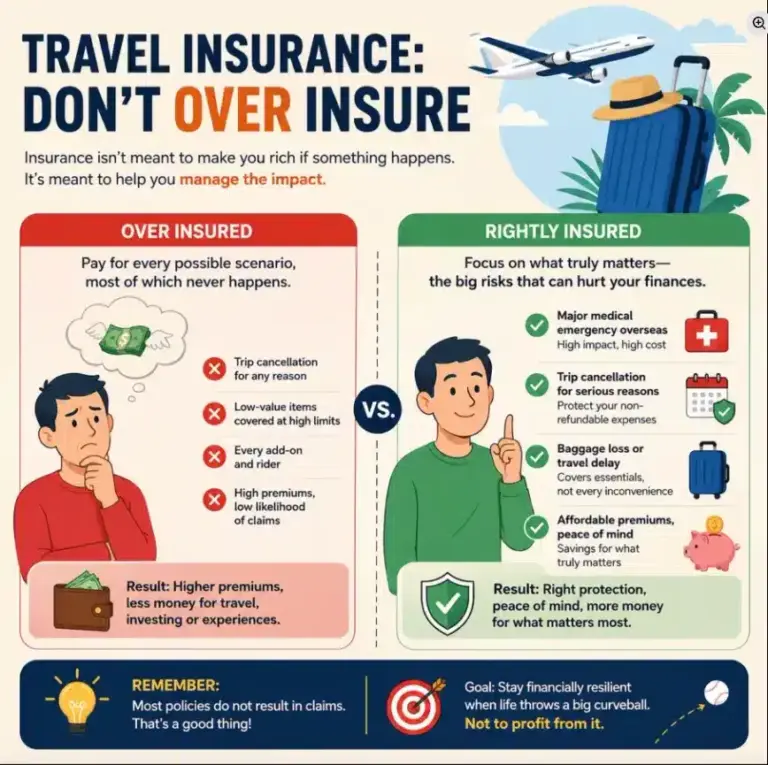
Dave Ramsey’s philosophy on car insurance is simple: get the right amount of coverage without wasting money. He believes in being smart, not cheap.
Here’s what he consistently recommends:
- Always carry enough liability coverage. Ramsey suggests having at least $500,000 in liability coverage to protect yourself from lawsuits and serious damages.
- Drop full coverage on older cars. If your car’s worth less than what you’re paying annually for full coverage, he says it’s time to let it go.
- Raise your deductible. A higher deductible means lower monthly premiums—just make sure you’ve got the cash saved for emergencies.
- Never drive uninsured. Ramsey’s a stickler about this. Driving without insurance isn’t just illegal—it’s financially reckless.
He views insurance as a safety net, not a luxury. The goal is to avoid debt and protect what you’ve worked hard for.
Why Dave Ramsey’s Approach to Car Insurance Makes Sense
A lot of people assume the cheapest policy is the best one. But Ramsey flips that idea on its head. His advice is built on long-term financial stability, not quick savings.
Here’s why it works:
- Prevents financial disaster.
A single accident could cost you thousands. Proper coverage means you’re not draining your savings or going into debt. - Encourages emergency savings.
By raising your deductible, you’re forced to keep a healthy emergency fund—a core part of Ramsey’s Baby Steps program. - Protects your assets.
If you cause an accident, the other party could sue. Without enough liability coverage, you risk losing your home, savings, and peace of mind.
Dave’s message is clear: insurance should protect your wealth, not eat it up.
Types of Car Insurance Dave Ramsey Recommends

Let’s break down the types of coverage Dave Ramsey actually supports—and which ones he says you can skip.
1. Liability Insurance (Non-Negotiable)
This is the coverage that pays for injuries and property damage if you’re at fault. Ramsey strongly recommends $500,000 in total liability (split between bodily injury and property damage).
He believes most people are dangerously underinsured. “You don’t want to lose everything over one accident,” he says.
2. Collision and Comprehensive
These cover damage to your own vehicle—whether you hit another car, an animal, or something else.
Ramsey’s rule of thumb:
- Keep full coverage if your car’s value is more than your emergency fund or if you’d struggle to replace it.
- Drop it when the car’s value drops significantly.
For example, if your 12-year-old car is worth $3,000 and you’re paying $900 a year for full coverage—it’s not worth it.
3. Uninsured/Underinsured Motorist Coverage
Dave suggests keeping this, especially since some drivers don’t carry enough insurance. It’s relatively cheap and protects you if someone else messes up and can’t pay.
4. Medical Payments (MedPay) or Personal Injury Protection (PIP)
If you’ve got solid health insurance, you may not need these extras. Ramsey says you can skip them unless your state requires it.
5. Gap Insurance
Ramsey doesn’t like leasing or financing cars, so ideally, you’d never need gap insurance. But if you’re still paying off your vehicle and owe more than it’s worth, gap coverage can be smart—temporarily.
Real-Life Example: How Dave’s Advice Saved One Family Thousands
A reader once shared on The Ramsey Forum how they followed Dave’s advice step by step. They raised their deductible from $500 to $1,000, dropped full coverage on an older SUV, and reviewed their liability limits.
The result?
- Their annual premium dropped from $1,450 to $920.
- They saved over $500 a year—money they put straight into their emergency fund.
When a minor accident happened months later, their savings easily covered the deductible. No debt, no stress, no regrets.
Common Mistakes People Make with Car Insurance
Even smart people fall into traps when it comes to insurance. Dave Ramsey often points out a few:
- Choosing the cheapest plan possible. It might save you now, but cost you big later.
- Ignoring liability limits. Minimum coverage isn’t enough to protect your assets.
- Forgetting to update policies. Life changes—your insurance should too.
- Not shopping around. Ramsey recommends comparing rates every few years to ensure you’re getting the best deal.
A little effort here can make a world of difference financially.
Dave Ramsey’s Baby Steps and Car Insurance

Dave’s famous 7 Baby Steps include paying off debt, building an emergency fund, and investing wisely. But where does car insurance fit in?
It’s part of Baby Step 1 and 2—protecting yourself while getting out of debt.
He teaches that before you even start investing, you should have proper insurance in place. That means:
- Auto insurance
- Health insurance
- Term life insurance (if you’ve got dependents)
Because one unexpected accident could derail years of financial progress.
Tips to Follow Dave Ramsey’s Car Insurance Philosophy
Here’s how you can apply his approach today:
- Review your current policy. Look at your coverage limits and what you’re paying.
- Raise your deductible. Only if you’ve got at least $1,000–$2,000 saved for emergencies.
- Check your car’s value. If your vehicle isn’t worth much, drop full coverage.
- Increase your liability. Aim for $500,000 combined coverage.
- Shop smart. Compare quotes from at least 3–4 insurers.
- Bundle if it makes sense. Ramsey’s not against bundling if it truly saves you money.
- Don’t let coverage lapse. Continuous coverage can even lower your rates over time.
Internal Link Idea: You might also like reading our detailed post on “How to Lower Your Car Insurance Premiums Without Compromising Coverage.”
External Link Idea: For state-specific insurance laws, visit USA.gov’s Car Insurance Guide.
FAQs
Disclaimer
This article is for general informational purposes only and does not constitute professional insurance advice. Please consult with a licensed insurance advisor before making any decisions.
Conclusion
Dave Ramsey’s car insurance philosophy isn’t about cutting corners—it’s about being intentional. He wants you to protect your money, your car, and your peace of mind without falling into debt traps.
If you follow his steps—keep strong liability, drop unnecessary extras, and stay covered—you’ll not only save money but also gain financial control.
Insurance might not be exciting, but in Ramsey’s world, it’s one of the smartest tools for staying debt-free and building lasting security.
About the Author