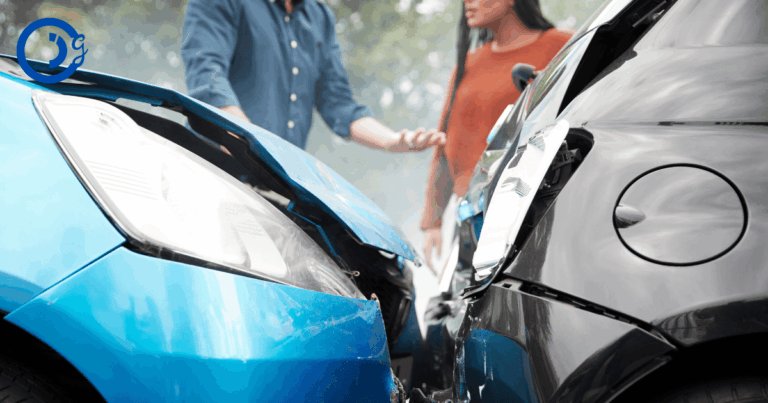
Ever been in a minor accident where both drivers start arguing about who’ll pay for the damage? Yeah, that’s where TPL insurance quietly saves the day. I remember my first car bump years ago — I wasn’t hurt, but I sure was nervous about the costs. That’s when I learned how important third-party liability coverage is.
So, what is TPL insurance, really? Simply put, it’s the protection that keeps you from paying out of pocket when you accidentally damage someone else’s vehicle, property, or even injure them. Most countries make it mandatory because it ensures that victims get compensated, even if the at-fault driver can’t afford to pay.
In this guide, I’ll walk you through what TPL insurance is, what it covers (and what it doesn’t), why you need it, and some real-life examples that make it easier to understand.
What Is TPL Insurance?
TPL stands for Third Party Liability. It’s the basic form of car insurance that covers the cost of damage or injury you cause to someone else while driving your vehicle.
Think of it this way — “third party” means anyone other than you (the first party) and your insurance company (the second party). If you hit another car, a wall, or worse, someone walking by, your TPL coverage takes care of their medical bills or repair costs.
In most countries, TPL insurance is legally required before you can drive. Without it, you could face heavy fines, lose your license, or even get your car impounded.
Why Does TPL Insurance Matter So Much?
You might be thinking, “I’m a careful driver — I don’t need it.” That’s what I used to think too. But accidents don’t always wait for your permission.
Here’s why TPL insurance matters:
- It protects you financially. Even a small fender bender can cost hundreds or thousands in repairs.
- It helps victims recover. If someone’s hurt or their property is damaged, your insurance helps them get compensated fairly.
- It’s legally required. Driving without TPL can lead to penalties or legal action.
- It gives peace of mind. You can drive without that constant “what if” worry in the back of your head.
Who Actually Needs TPL Insurance?
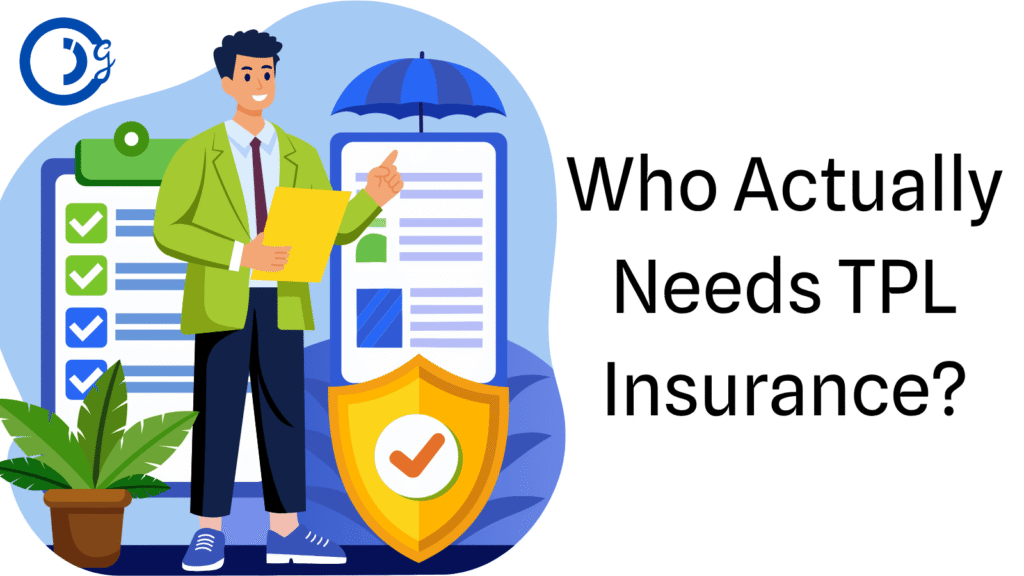
Short answer: Everyone who drives.
Whether you’re driving a brand-new sedan, a delivery van, or even a second-hand motorbike, you’re required by law (in most places) to have at least third-party coverage.
Here are a few common cases:
| Driver Type | Why They Need It |
|---|---|
| Private car owners | To meet legal requirements and avoid fines. |
| Commercial drivers | Because they’re on the road more often, increasing accident risk. |
| Rental vehicle users | Most companies include it automatically, but it’s always good to double-check. |
| Motorcyclists | Yes, even bikes need liability coverage in many countries. |
Key Benefits of TPL Insurance
TPL isn’t fancy — but it’s powerful in the ways that matter most.
1. Covers Third-Party Damages
If your car accidentally hits another vehicle, the repair cost for that vehicle will be covered by your insurer, up to your policy’s limit.
2. Covers Third-Party Injuries or Death
In case of an accident that injures or, tragically, kills someone, your insurance covers medical expenses or compensation.
3. Legal Assistance
If a lawsuit is filed against you, many TPL policies also help with legal defense costs.
4. Mandatory Protection
It keeps you compliant with the law — saving you from fines or license suspension.
5. Peace of Mind
Knowing that financial support is there in case of an accident lets you drive more confidently.
Real-Life Example
Let’s say you’re driving home after work, tired but relaxed. Suddenly, you brake a second too late and bump into another car at a traffic light.
Damage to the other car? $2,000.
The driver’s minor neck injury treatment? $1,500.
Without TPL insurance, that $3,500 comes straight out of your pocket — maybe more if they sue. But with TPL, your insurer handles those costs. You might just have to pay a small deductible (depending on your policy).
Common Misunderstandings About TPL Insurance
Let’s clear up a few things I’ve seen confuse many drivers:
- “It covers my own car too.”
Nope. TPL only covers the other person’s damages or injuries, not yours. - “It’s optional.”
In most regions, it’s not optional. It’s required by law. - “It’s the same as comprehensive insurance.”
Not quite. Comprehensive coverage includes TPL plus protection for your own vehicle (fire, theft, natural disasters, etc.). - “It’s too expensive.”
Actually, TPL is usually the most affordable type of insurance since it’s basic coverage.
TPL vs. Comprehensive Insurance
| Feature | TPL Insurance | Comprehensive Insurance |
|---|---|---|
| Covers your own vehicle | ❌ No | ✅ Yes |
| Covers third-party damage | ✅ Yes | ✅ Yes |
| Covers theft/fire/natural disasters | ❌ No | ✅ Yes |
| Legal requirement | ✅ Yes | ❌ No |
| Premium cost | 💰 Low | 💰💰 Higher |
If you’re tight on budget, start with TPL — it’s the bare minimum to stay protected and legal. But if you can afford it, comprehensive coverage adds that extra cushion.
Tips to Get the Most Out of Your TPL Policy
Here are a few things I’ve learned the hard way:
- Always check the policy limits. Some cheap plans have low coverage amounts that might not be enough in serious accidents.
- Read the exclusions carefully. Know what’s not covered (like drunk driving or racing).
- Renew on time. Don’t let your coverage lapse — even one day uninsured can cause trouble.
- Bundle policies. If you have multiple vehicles or home insurance, bundling can lower your overall premium.
- Keep documentation handy. Always carry your insurance certificate in the car — it’s required in traffic stops or accidents.
Common Mistakes Drivers Make
Even with TPL, many people still run into problems because they:
- Forget to update their policy when selling or buying a new car.
- Ignore policy expiry reminders and end up driving uninsured.
- Fail to report accidents on time (most insurers require notice within 24 hours).
- Don’t keep proof of coverage in their vehicles.
Avoid these small mistakes — they can save you from big headaches later.
Internal Link Idea: Related article you can link to: “Comprehensive vs Third-Party Car Insurance: Which One’s Right for You?”
External Link Idea: You can refer readers to: U.S. Department of Transportation – NHTSA Car Insurance Resources
FAQs About What Is TPL Insurance?
Disclaimer
Disclaimer: This article is for general informational purposes only and does not constitute professional insurance advice. Please consult with a licensed insurance advisor before making any decisions.
Conclusion
If there’s one thing every driver should know, it’s this — TPL insurance isn’t just a formality; it’s your financial seatbelt. You might not realize its value until the day you need it, but when that moment comes, you’ll be grateful you had it.
So, if your policy’s about to expire or you’ve been delaying getting one, take this as your friendly reminder. Drive safe, stay protected, and always keep your insurance up to date.
About the Author