If you’ve ever felt that nervous flutter in your stomach before applying for a small-business disaster loan, you’re not alone. When I submitted for my business’s Small Business Administration (SBA) Economic Injury Disaster Loan (EIDL), I didn’t expect that one of the biggest hurdles would be something called hazard insurance. Understanding “SBAEIDL hazard insurance” isn’t just bureaucratic hoop-jumping—it can mean the difference between approval and a delay (or worse). So let’s roll up our sleeves and walk through exactly what it is, why it matters, and how you can tackle it without losing sleep.
What Is SBA EIDL Hazard Insurance?
When you hear the term hazard insurance in the context of an SBA EIDL, what people often mean is a commercial property or business hazard insurance policy that covers your business-owned assets (the building, equipment, inventory) against defined risks. For the EIDL program, this requirement kicks in when there’s collateral involved (e.g., real estate or business personal property pledged) and when the loan meets certain thresholds.
In plain terms: if you’re getting an EIDL and offering business property as collateral, the SBA wants you to have insurance covering that property—fire, storms, vandalism, that kind of thing—so the value of the collateral doesn’t vanish if disaster strikes.
Why It Matters (And It Really Does)
It might feel like just one more box to check in the loan process, but hazard insurance tied to your EIDL is more than paperwork. Here’s why:
- Protects collateral value: If your business property (say, your warehouse or equipment) is damaged and uninsured, your lender—and the SBA, which backs the loan—risk losing real value. Hazard insurance helps maintain that value.
- Compliance & eligibility: Some EIDLs won’t be approved (or may become non-compliant) until you show adequate coverage. E.g., lenders require proof of hazard insurance for certain loans over $25,000.
- Business protection: Beyond the loan, if disaster strikes your business property, you don’t want to be out of business and saddled with a loan you can’t repay. The insurance gives you a safety net.
One thing I learned: when you apply, you might be focused on how you’ll use the money. But the lender is equally focused on how they’ll protect their investment. Hazard insurance is part of that protection.
Who Needs It?
If you’re wondering whether you need to worry about “SBA EIDL hazard insurance”, here are the typical situations:
Likely Required If:
- You are applying for an EIDL (or similar SBA-backed disaster loan) and
- You are pledging business real estate, equipment, inventory, or other property as collateral.
- The loan amount is above certain thresholds (many sources say > $25,000).
- The policy must cover business-owned property (not just personal auto or liability).
Might Not Be Required If:
- The loan is unsecured (no collateral offered) or under the threshold.
- You’re in the microloan category of SBA loans that doesn’t always require hazard insurance.
- You are not pledging physical property—only working capital usage and no collateral elements.
So, if your business is applying for an EIDL and has property or assets tied to the loan, it’s safe to assume you’ll need hazard insurance.
Key Benefits of Having It
Having the right hazard insurance in place for your SBA-EIDL means you’re not just checking a box—you’re leaning into better business resilience. Some benefits:
- Peace of mind: Knowing your property is covered if a fire, storm, theft, or similar event hits.
- Loan approval smoother: You’ll likely avoid a snag in the process if you show upfront that you have the correct coverage.
- Protects your business continuity: In the event of damage, you have fewer surprises and less risk of defaulting on your loan.
- Demonstrates professionalism: Lenders like borrowers who are proactive—shows you’re thinking ahead, not just reacting.
- Possible cost savings later: If you maintain the policy, keep it current, you might qualify for better rates or bundles.
Real-Life Example
Let me share a small case-style scenario from a business owner I know (let’s call her Maria, not her real name).
Situation: Maria owns a small manufacturing business. She applied for an EIDL after her county was hit by a severe storm and sales dropped. The loan was about $45,000. She was pledging some of her equipment and property as collateral.
What happened: The lender asked for proof of “hazard insurance or business property insurance on all assets pledged as collateral, covering at least 80% of the value” before finalizing the loan. Maria’s prior policy was in her own name (not the business name) and didn’t clearly list that it covered inventory and equipment. She had to contact her broker, adjust the policy, name the business as insured, and provide a declarations page.
Result: Once she adjusted it, the loan was approved and she went on to secure her business. A few months later, there was a fire in part of the warehouse—her hazard insurance kicked in, she repaired the damage, and remained open without major disruption.
This shows how having the right policy matters—not just for the loan, but for real-world protection.
Common Mistakes or Misunderstandings
From my experience and working with clients, these are the frequent pitfalls when it comes to SBA EIDL hazard insurance:
- Assuming your standard business liability policy is enough: Liability covers injury or lawsuits—not damage to your property. The SBA wants property coverage (commercial property/hazard insurance).
- Not naming the business correctly: If the policy isn’t in the exact business name (or DBA) as the loan documents, the lender may reject it.
- Ignoring the required coverage amount: Some sources note that coverage must be at least 80% of the loan or of the asset’s value. If the policy limit is too low, you’ll have issues.
- Failing to include the lender or the SBA as “loss payee” or mortgagee clause”: The policy must protect the lender’s interest. If missing, coverage might not satisfy the requirement.
- Assuming flood or earthquake is included: Hazard insurance usually covers things like fire, wind, vandalism—but not always flooding or quake damage unless specifically included. If your property is in a flood-zone you may need separate flood insurance.
- Policy lapses: If you let the insurance lapse after loan funding, it can trigger problems with the loan terms or even default conditions.
Tips & Advice From Experience
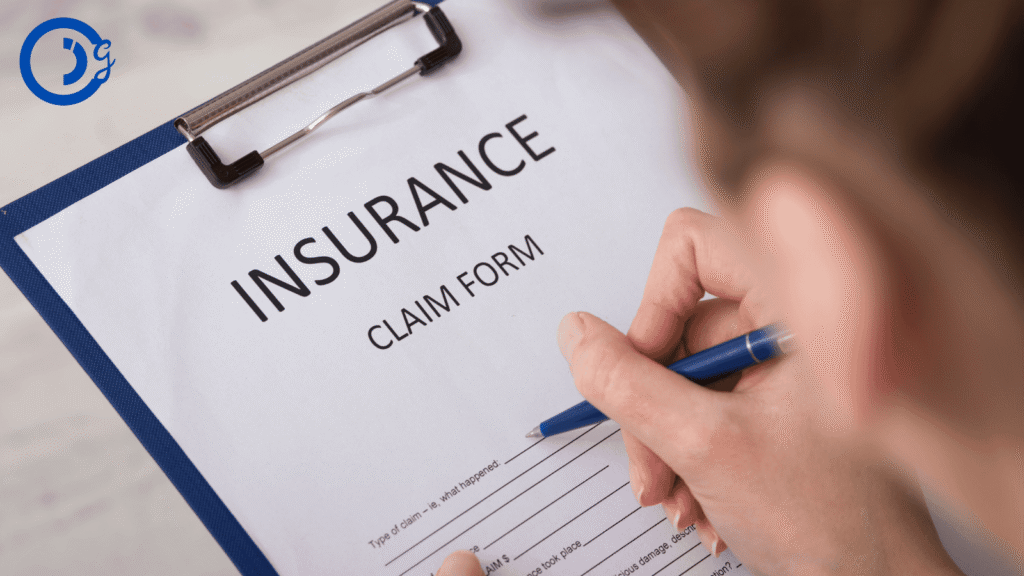
Here are practical steps you can follow—things I wish I knew earlier when I went through this myself:
- Talk to your lender early: Ask the loan officer: “What exactly does my hazard insurance need to cover for this EIDL?” Get the checklist in writing.
- Work with an insurance agent familiar with SBA loans: They’ll know the right clauses, what counts as “hazard insurance,” what the lender expects.
- Get a commercial property insurance policy (often same as hazard insurance): Ask for “business property insurance that covers buildings, equipment, inventory, business personal property” rather than just general liability.
- Ensure your policy lists the business name (and DBA if relevant): The policy address must match the business property address you’re pledging.
- Check the coverage amount and pledged assets: Make a list of what you’re pledging: building value, equipment, inventory, etc. Then ensure the insurance covers those.
- Check location for flood/earthquake risk: If you’re in a flood hazard zone, your SBA collateral insurance might trigger a separate flood policy. Check with FEMA’s map or ask your agent.
- Make sure the policy includes proper clauses:
- Mortgagee clause or Loss Payable clause naming the lender/SBA interest.
- Cancellation clause: e.g., insurer must give 10 days’ notice to lender before cancellation.
- Keep it current: Pay premiums on time. Don’t cancel or downgrade without informing your lender.
- Document everything: Save the declarations page, premium invoices, business name and address details. You may need to show proof again in future audits.
- Budget for the cost: Yes, the insurance premium is an extra expense—but consider it part of your business continuity plan and loan compliance cost.
Table: Quick Comparison – Hazard Insurance Requirements for SBA Loans
| SBA Loan Type | When Hazard Insurance Is Required | Key Notes |
|---|---|---|
| EIDL (Economic Injury Disaster) | Usually required for loans > $25,000 with collateral. | Coverage often must be at least 80% of loan or value. |
| SBA 7(a) Loan | Required when assets are pledged as collateral, often > $50,000. | Insurance on real estate or business property collateral. |
| SBA 504 Loan | Typically required (real estate/major assets are collateral). | Commercial real estate financing model. |
| Microloans | May not require hazard insurance if no collateral. | Check lender details. |
Internal & External Link Suggestions
- Internal link idea: “How to choose the right commercial property insurance for small businesses”
- External link idea: The SBA Disaster Assistance page – SBA Economic Injury Disaster Loans SBA
FAQs About SBA EIDL Hazard Insurance
Disclaimer: This article is for general informational purposes only and does not constitute professional insurance advice. Please consult with a licensed insurance advisor before making any decisions.
Final Thoughts
If you’re navigating the world of an SBA EIDL loan, I’d say – don’t overlook the hazard insurance piece. It may feel like a small technicality, but having the right policy in place clears a major hurdle and gives you a foundation of protection. Think of it as part of your business’s safety net, both for your lender and for you. Take the time now to get it right—your future self will thank you. And when you’re done, you might also want to explore “Choosing the right commercial property insurance for your business” to round out your risk-management plan. You’ve got this.
About the Author