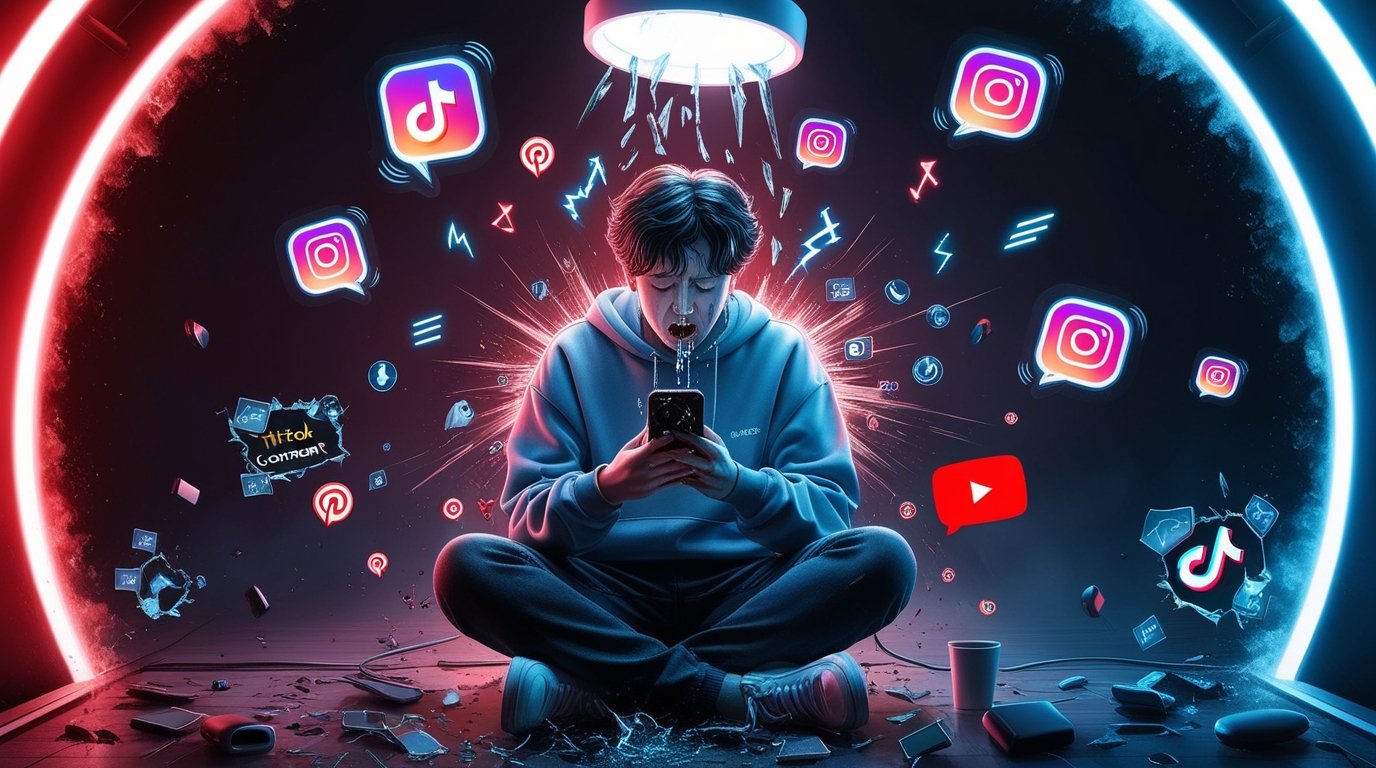
Social media has rewritten the definition of fame. In Influencer culture 2025 and now moving into 2026, everyday people can become global celebrities overnight armed with nothing more than a smartphone, a ring light, and a viral idea. But while the influencer economy promises freedom, money, and attention, it also comes with an ugly side that audiences are witnessing more frequently: Influencers Gonewild.
From explosive influencer meltdowns and shocking stunts to NSFW influencer content and public scandals, the digital world has become a front-row seat to chaos. These moments aren’t just isolated incidents they represent a deeper problem within digital fame culture, where attention is currency and outrage often pays better than authenticity.
Welcome to the era of Influencers gone wild trends, where lines blur, boundaries vanish, and virality matters more than well-being.
This article explores the rise of this phenomenon, real-world examples, psychology, platform influence, consequences, and what the future holds for online fame.
The Rise of Influencer Culture: From Relatable to Reckless
In the early 2010s, influencers thrived because they felt real. Beauty tutorials, daily vlogs, and fitness journeys created parasocial bonds what psychologists call parasocial relationships, where audiences feel personally connected to creators.
Fast forward to Influencer culture 2025, and that authenticity has been replaced by spectacle.
Why Did Influencer Behavior Change?
Several forces pushed creators toward extreme behavior:
- Social media algorithms and virality reward content that sparks strong emotions
- Algorithm-driven content favors outrage, shock, and conflict
- Engagement-driven behavior determines income, visibility, and relevance
- Influencer monetization pressure makes consistency non-negotiable
As a result, clout chasing influencers began pushing limits because safe content stopped performing.
This shift gave birth to viral influencer drama, where controversy became strategy.
What Does “Influencers Gonewild” Really Mean?
The term Influencers Gonewild describes influencers who engage in unpredictable, excessive, or inappropriate behavior online often publicly and intentionally to maintain relevance.
Unlike traditional celebrity scandals, these moments unfold in real time, directly on TikTok, YouTube, or Instagram, creating instant social media influencer controversy.
Common “Gonewild” Behaviors
- Influencer inappropriate content shared for shock value
- OnlyFans influencer controversy following sudden adult content launches
- Emotional livestreams or influencer public breakdown episodes
- Fake feuds and staged drama
- Influencer scams, fake giveaways influencers, and misleading promotions
- Recording illegal or unethical acts for views
These moments fuel online influencer scandals and invite massive influencer backlash.
Influencers Gonewild and Platform Culture
Each platform plays a role in shaping behavior.
TikTok: Fast Fame, Faster Fallout
TikTok influencer drama thrives on short attention spans. Emotional content, impulsive rants, and shock tactics outperform thoughtful storytelling.
YouTube: Long-Form Scandals
YouTube influencer scandals often involve deeper deception fake charity drives, exploitative content, or financial misconduct.
Instagram: Image vs Reality
Instagram influencer backlash usually erupts when curated perfection collides with reality exposed lies, edited bodies, or unethical sponsorships.
Together, these platforms create online outrage cycles that reward controversy.
Famous Influencer Meltdowns That Defined the Era
1. Gabbie Hanna’s Viral Breakdown
One of the most discussed famous influencer meltdowns, Gabbie Hanna’s TikTok spree blurred the line between mental health crisis and performance.
It sparked debates about:
- Are influencer meltdowns real or staged
- Audience responsibility social media
- Influencer mental health
2. Nikocado Avocado’s Health Spiral
Often cited in influencer downfall stories, Nikocado’s transformation raised questions about viral content psychology and self-harm as entertainment.
3. Belle Delphine’s Shock Marketing
Her bathwater stunt remains a defining example of influencer shock value content praised by marketers, criticized by ethicists.
4. Ace Family’s Financial Fallout
A textbook case of shady influencer promotions and unethical influencer marketing, showing how trust erosion leads to cancellation.
5. Danielle Cohn’s Age Scandal
This scandal highlighted social media pressure on influencers, minors in adult spaces, and the consequences of dishonesty.
Why Do Influencers Go Wild on Social Media?
Understanding why influencers go wild on social media requires examining psychology, money, and technology.
1. Algorithm Addiction
Creators chase dopamine hits from views and likes. How algorithms reward controversy is no longer a mystery conflict performs.
2. Mental Health Pressure
Many creators suffer from:
- Influencer burnout
- Influencer anxiety and depression
- Constant comparison and harassment
The impact of social media fame on mental health is profound and often underestimated.
3. Financial Dependency
When rent depends on relevance, risky content becomes tempting. Influencer brand deals disappear quickly after engagement drops.
Why Audiences Can’t Look Away
There’s a dark psychology behind our fascination.
- Schadenfreude social media: enjoyment of others’ failures
- Curiosity about fame collapsing
- Moral superiority narratives
This fuels public fascination with scandals and reinforces toxic cycles.
Cancellation, Redemption, or Reinvention?
After going wild, influencers typically face one of three outcomes:
Permanent Cancellation
Victims of internet cancel culture who never regain trust.
Temporary Collapse
Hiatus → apology → comeback. Often seen in influencer cancellation cases.
Reinvention
Some succeed in influencer rebranding after scandal, creating podcasts, reality shows, or embracing transparency.
Others face legal action the true consequences of influencer scandals.
Lessons From Influencers Gonewild
For creators:
- Fame is fragile
- Authenticity > shock
- Boundaries protect longevity
For audiences:
- Don’t reward harmful content
- Understand audience responsibility social media
For platforms:
- Ethical moderation matters
The Future of Online Fame
As we move deeper into 2026, audiences are changing. Viewers are tired of chaos. Creators who thrive will focus on:
- Transparency
- Sustainable content
- Honest storytelling
The era of reckless virality is slowly giving way to accountability.
Influencer culture turning toxic has forced a reckoning and the next generation of creators is watching closely.
FAQs – Influencers Gonewild
What is Influencers Gonewild?
It refers to influencers engaging in extreme, inappropriate, or shocking behavior online to gain attention or maintain relevance.
Why are influencer scandals increasing?
Because algorithm-driven content and engagement-driven behavior reward outrage more than authenticity.
Are influencer meltdowns fake?
Some are staged, others are real mental health crises often amplified by audiences and platforms.
Do influencers recover after scandals?
Some do through apologies and reinvention, others face permanent cancellation or legal consequences.
Is influencer culture becoming healthier?
Slowly. Audiences are demanding accountability and depth over drama.
Final Thoughts
Influencers Gonewild isn’t just entertainment it’s a warning sign. It reveals what happens when attention becomes currency and humanity takes a back seat. The creators who survive won’t be the loudest or wildest they’ll be the most self-aware.
And maybe, just maybe, the internet is finally growing up.