
You’re driving home after a long day. Maybe you’re tired, maybe distracted — and then it happens. The crunch of metal, the jolt through your chest, the panic in your throat. You’ve just been in a car accident. But here’s the worst part: you’re at fault, and you don’t have car insurance.
That sinking feeling in your gut? It’s real — and you’re not alone. Many drivers across the U.S. face this same nightmare every year. A “car accident at fault no insurance” situation isn’t just about damage to your car. It’s about financial responsibility, legal consequences, and sometimes, even your future ability to drive.
So, what really happens when you cause an accident without insurance? Let’s talk about it honestly — from what you’ll face legally to what you can still do to protect yourself and move forward.
Understanding a Car Accident at Fault with No Insurance
Being “at fault” in a car accident means you’re the one responsible — maybe you rear-ended someone, ran a red light, or misjudged a turn. If you had insurance, your liability coverage would pay for the other driver’s damages. But without insurance, the entire cost lands squarely on your shoulders.
In the U.S., driving without car insurance is illegal in almost every state. Penalties can include:
- Hefty fines (ranging from $200 to several thousand)
- Driver’s license suspension
- Impoundment of your vehicle
- Civil lawsuits for property damage or medical bills
Let’s be clear: if you’re at fault and uninsured, you’ll likely be paying out of pocket for everything — repairs, medical costs, even legal fees.
What Happens Right After the Accident
Here’s the part no one wants to talk about — the immediate chaos after the crash.
- Check for injuries. First, always make sure everyone is okay. Call 911 if anyone is hurt.
- Call the police. You’ll need an official report, especially since you’re uninsured.
- Don’t flee the scene. Leaving the scene of an accident makes things ten times worse — it can turn a bad day into a criminal charge.
- Exchange information. Give your name, address, and contact info, but be honest that you don’t have insurance.
Even if it’s tempting to say nothing, honesty now can save you from harsher penalties later.
The Financial Consequences of Being at Fault Without Insurance
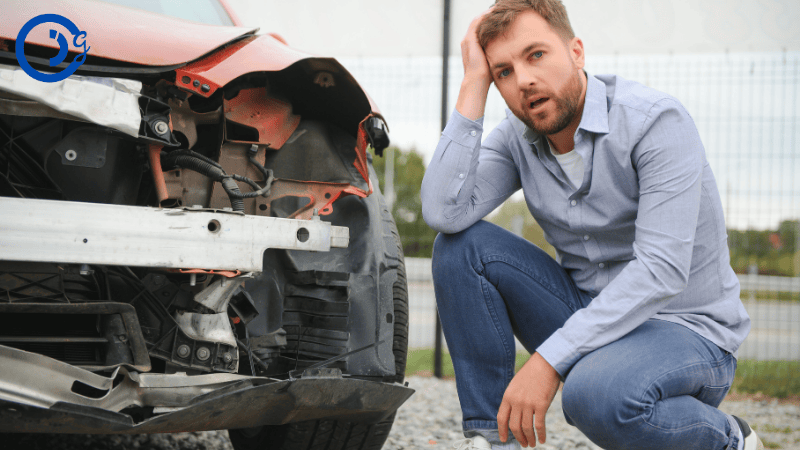
When you cause a car accident without insurance, you’re legally responsible for all damages — not just to the other person’s car, but also medical costs, lost wages, and sometimes pain and suffering.
Let’s break it down:
| Type of Cost | Who Pays | Average Amount (Estimate) |
|---|---|---|
| Vehicle Repair | You | $2,000–$10,000+ |
| Medical Bills | You | $5,000–$50,000+ |
| Legal Fees | You | $1,000–$5,000+ |
| License Reinstatement Fees | You | $200–$1,000 |
And here’s the kicker — if you can’t pay, the other driver can sue you personally. They could win a judgment that allows wage garnishment or even liens against your property.
Car Accident Not at Fault No Insurance – What If It Wasn’t Your Fault?
Now, let’s flip it around for a second. What if you weren’t at fault but still had no insurance?
In some states (like California), if you’re in a car accident not at fault no insurance, you might still lose certain rights — specifically, the ability to claim non-economic damages like pain and suffering.
For example, under California’s “No Pay, No Play” law, uninsured drivers can’t collect money for things like emotional distress, even if the other driver caused the crash.
So even when it’s not your fault, having no insurance can still cost you — emotionally and financially.
Real-Life Example: The Cost of a Small Mistake
I once spoke to a young guy named Mike (name changed). He was 24, working two jobs, and thought skipping car insurance would save him a few hundred bucks. Then one rainy night, he rear-ended a sedan at a stoplight. The repair bill? Over $8,000. The driver had neck injuries that cost another $12,000.
Mike ended up in court and spent three years paying it off. He said later, “If I’d just had insurance, I’d have paid maybe $90 a month — instead I lost my savings, my car, and nearly my credit.”
It’s a harsh reminder that skipping insurance never pays off in the long run.
Legal Penalties by State (Quick Overview)
| State | Fine | Possible Penalty |
|---|---|---|
| California | $100–$500 | Vehicle impound, license suspension |
| Texas | $175–$1,000 | SR-22 required, possible jail |
| Florida | $150–$500 | Registration suspension |
| New York | $150–$1,500 | Up to 15 days jail |
| Illinois | $500–$1,000 | Vehicle suspension |
(You can verify your state’s specific penalties at DMV.gov)
What to Do After You’ve Had a Car Accident with No Insurance
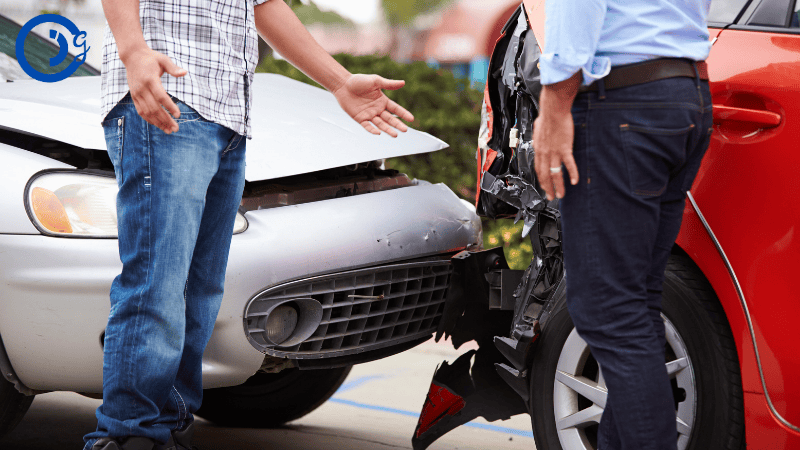
Here’s what you can still do to manage the damage — emotionally and financially.
- Stay calm and cooperate. Panic can lead to mistakes.
- Document everything. Photos, witness info, police report numbers — everything matters.
- Seek legal advice. A personal injury attorney can help limit your liability.
- Negotiate a payment plan. If you owe damages, try to work out a manageable agreement.
- Get insured immediately. Future coverage can protect you from repeating the same disaster.
Common Myths About Car Accidents and No Insurance
Myth 1: “If it’s just a small fender bender, I can handle it privately.”
Reality: Even minor accidents can uncover hidden damage or medical issues later.
Myth 2: “Police won’t find out if I don’t tell them I’m uninsured.”
Reality: They always do — and lying can lead to criminal charges.
Myth 3: “The other driver’s insurance will cover everything.”
Reality: Only if they’re at fault — and even then, you might lose compensation rights if you were uninsured.
How to Protect Yourself Moving Forward
Once you’ve been through something like this, the lesson hits hard. Still, you can rebuild:
- Get basic liability insurance. It’s the law — and often cheaper than you think.
- Ask about state-assistance programs. Some states offer low-cost insurance for low-income drivers.
- Keep your coverage active. Set reminders so you never lapse again.
- Consider uninsured motorist coverage for the future — it protects you if someone hits you without insurance.
(Related post idea: “What Happens If You Hit an Uninsured Driver – Who Pays?”)
Frequently Asked Questions
Disclaimer
This article is for general informational purposes only and does not constitute professional insurance advice. Please consult with a licensed insurance advisor before making any decisions.
Conclusion
Getting into a car accident at fault with no insurance can feel like the end of the world — but it’s not. It’s a wake-up call. A painful, expensive one, yes, but it’s also a chance to do things differently from now on.
If you’re reading this after an accident, take a deep breath. Handle your legal and financial steps carefully, seek advice, and get insured right away. Because in the world of driving, peace of mind isn’t a luxury — it’s protection you can’t afford to skip.