
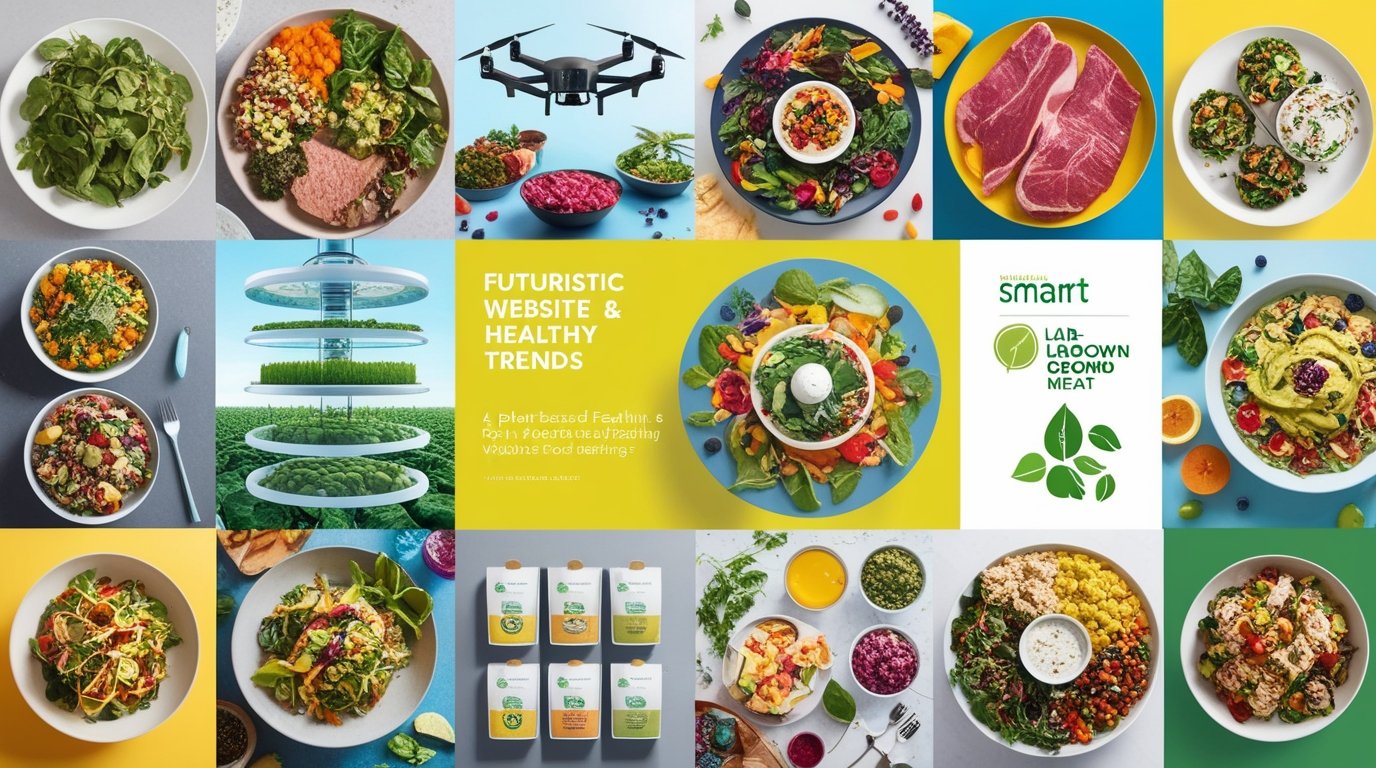
The way we eat today is evolving faster than ever before. People don’t just want food that tastes good they want meals that do good for their health, the environment, and society. Consumers are increasingly curious about where their food comes from, how it’s produced, and how it affects their well-being. This shift in thinking has given rise to FHTHopeFood, a concept that combines Future, Health, Technology, Hope, and Food to create a roadmap for sustainable, ethical, and innovative eating habits.
In an era where climate change, pandemics, and global health issues dominate conversations, making informed food choices is no longer optional. Every meal has the power to either harm or heal our bodies and the planet. FHTHopeFood aims to show the world that good food can be ethical, healthy, innovative, and delicious all at once. This isn’t just a passing trend it’s a global movement shaping how we grow, cook, and enjoy food every day.
What Is FHTHopeFood?
FHTHopeFood stands for Future, Health, Technology, Hope, and Food. Each element plays a vital role in reimagining the way we eat:
- Future: Focuses on sustainable food production and preparing for global challenges like climate change and food scarcity.
- Health: Promotes nutrition-driven eating that supports immunity, energy, and longevity.
- Technology: Leverages AI, robotics, and biotech to create smarter farming, cooking, and food distribution solutions.
- Hope: Inspires innovation and optimism that everyone can access healthy, ethical food.
- Food: Embraces taste, culture, and tradition while integrating modern solutions.
This holistic approach ensures that we don’t sacrifice culture or flavor while addressing pressing issues like environmental degradation, unethical farming, and nutrient deficiencies. FHTHopeFood bridges tradition and innovation, making modern diets both exciting and responsible.
Why Food Trends Matter More Than Ever
Our food choices have never been more impactful. Climate change, urbanization, and global pandemics are forcing us to rethink what we eat and how we produce it. The food industry plays a huge role in health outcomes and environmental preservation. Consider this: livestock farming alone contributes nearly 14.5% of global greenhouse gas emissions, and poor diets are responsible for millions of deaths each year due to heart disease, diabetes, and obesity.
FHTHopeFood trends highlight how conscious consumerism is changing the market. People want transparency about ingredients, sourcing, and ethical practices. Companies that embrace these principles see higher engagement, loyalty, and sales, proving that sustainable eating is not only morally right it’s economically smart.
Major FHTHopeFood Trends Transforming Global Eating
1. The Plant-Based Revolution
Plant-based diets are no longer niche they are mainstream. Companies like Beyond Meat and Impossible Foods are leading a revolution by creating meat alternatives that taste and feel like the real thing. Dairy alternatives made from oats, almonds, and soy are now standard grocery staples.
- Why it’s growing: Health-conscious consumers want to reduce saturated fat intake. Environmental advocates recognize the lower carbon footprint of plant-based proteins.
- Market impact: Experts predict the plant-based market will reach $77 billion in the next few years, driven by both taste improvements and sustainability concerns.
- Popular ingredients: Pea protein, jackfruit, lentils, and chickpeas are taking center stage in home cooking and restaurants alike.
2. Functional Foods and Superfoods
Modern consumers treat food as medicine. Functional foods do more than satisfy hunger—they boost immunity, support digestion, and enhance mental performance. Superfoods such as:
- Turmeric: Anti-inflammatory benefits
- Chia seeds: Omega-3-rich and aid digestion
- Ashwagandha: Reduces stress naturally
- Flaxseeds: Packed with fiber and essential nutrients
Functional foods are increasingly featured in smoothies, snacks, and beverages, bridging the gap between convenience and health.
3. Tech-Driven Farming and Smart Agriculture
Technology is transforming farming from a traditional labor-intensive practice to data-driven, efficient, and eco-friendly systems:
- Vertical farming: Grows fresh produce year-round in urban areas.
- Drone monitoring: Tracks crop health and reduces the need for pesticides.
- Blockchain traceability: Ensures food transparency from farm to table.
- Hydroponics & aquaponics: Grow plants with minimal water and no soil.
These innovations help feed growing populations sustainably while reducing the environmental impact of agriculture.
4. Lab-Grown and Cultured Meat
Cultivated meat offers a revolutionary alternative to traditional animal farming:
- Environmental benefits: Lower greenhouse gas emissions and reduced water usage.
- Ethical considerations: No animals are harmed in production.
- Market adoption: Singapore became the first country to approve commercial sales of lab-grown meat in 2020, and prices are steadily dropping.
This technology could reshape protein consumption while maintaining taste, nutrition, and ethical standards.
5. Global Fusion Cuisines
Globalization has inspired chefs and home cooks to experiment with cross-cultural flavors:
- Examples: Korean tacos, sushi burritos, Mediterranean-Mexican bowls.
- Why it works: Fusion cuisines combine tradition and creativity, appealing to adventurous eaters.
- Cultural impact: These dishes celebrate heritage while creating exciting, modern meals.
6. Sustainable Packaging and Zero-Waste Movement
The focus on eco-friendly packaging complements sustainable eating habits:
- Compostable packaging: Breaks down naturally, reducing landfill waste.
- Edible wrappers: Eliminates single-use plastics entirely.
- Biodegradable containers: Offer practical alternatives without environmental harm.
Consumers now favor brands that commit to reducing their ecological footprint, making sustainability a key differentiator in the food industry.
7. Online Food Trends and Social Influence
Platforms like TikTok, Instagram, and YouTube accelerate global food trends. Creative recipes go viral within hours, inspiring millions to try new dishes at home. Online communities also share tips for:
- Sustainable cooking
- Ethical ingredient sourcing
- DIY fermentation and plant-based cooking
Virtual classes and grocery delivery services make healthy, conscious eating accessible to everyone.
8. The Role of Technology in FHTHopeFood
AI, robotics, and data analytics are revolutionizing the way we eat:
- AI-powered nutrition apps: Create personalized meal plans based on your health data.
- 3D-printed food: Produces precise shapes and textures for dietary restrictions.
- Automated kitchens: Restaurants like Spyce use robots to cook complex meals efficiently.
- Blockchain: Increases transparency in food sourcing, boosting consumer trust.
These technologies make modern diets more personalized, sustainable, and convenient than ever before.
Consumer Psychology Behind Food Trends
Understanding why people adopt certain trends helps explain FHTHopeFood’s rapid growth:
- Health-consciousness: Motivates individuals to prevent disease and improve longevity.
- Ethical concerns: People care about animal welfare, fair labor, and environmental impact.
- Social influence: Social media shapes perception and drives adoption of new foods.
- Financial considerations: Budget constraints impact which sustainable choices consumers can realistically make.
Brands that align with these values succeed because they connect on an emotional and practical level with their audience.
How Restaurants and Brands Are Adapting
Restaurants are integrating FHTHopeFood trends in innovative ways:
- Fast food: Burger King’s Impossible Whopper and McDonald’s plant-based menu items prove mass-market viability.
- Fine dining: Chefs experiment with fermentation, cultured meats, and functional ingredients.
- Coffee shops: Superfood smoothies and adaptogenic drinks cater to health-conscious consumers.
Brands publicly commit to sustainability, ethical sourcing, and healthy options, showing that FHTHopeFood works for everyone from casual eaters to food enthusiasts.
Challenges Facing FHTHopeFood
While promising, FHTHopeFood faces obstacles:
- High costs: Lab-grown meat and smart farming technology remain expensive.
- Cultural resistance: Traditional diets are deeply rooted in heritage.
- Supply chain issues: Access to innovative foods may be limited in some regions.
- Scalability: Feeding billions sustainably is a complex challenge requiring research, investment, and education.
Addressing these challenges will be key to the movement’s long-term success.
Future Predictions for FHTHopeFood
Over the next decade, FHTHopeFood is poised to transform global eating habits:
- AI-driven meal planning will be common in households worldwide.
- Climate-friendly, low-impact diets will become standard.
- Food personalization will match genetic and lifestyle needs.
- Cultivated meat will reach price parity with traditional meat.
- Food will be seen as a combination of medicine, culture, and innovation.
The future promises healthier, more sustainable, and culturally rich eating experiences.
FAQs
What does FHTHopeFood stand for?
FHTHopeFood stands for Future, Health, Technology, Hope, and Food, representing a holistic approach to sustainable, ethical, and innovative eating.
Is FHTHopeFood only for vegans?
No. FHTHopeFood includes plant-based foods, lab-grown meats, fusion cuisines, and smart farming solutions suitable for all diets.
How will technology impact food trends?
AI, robotics, blockchain, and data analytics are transforming farming, meal planning, and food delivery, making diets more personalized, sustainable, and convenient.
Why are functional foods so popular?
Functional foods provide health benefits beyond basic nutrition, such as boosting immunity, improving brain function, and reducing stress.
Will FHTHopeFood replace traditional food?
No. FHTHopeFood complements tradition by introducing sustainable and innovative solutions while preserving cultural heritage.
Conclusion
The FHTHopeFood movement is reshaping the way the world eats. By combining sustainability, technology, health, and hope, it creates a future where food nourishes both people and the planet. Traditional dishes remain cherished, but innovation ensures meals are smarter, safer, and more ethical. Whether cooking at home or dining out, embracing FHTHopeFood means participating in a global revolution that makes every bite count.
From AI-powered nutrition plans to plant-based meat alternatives and zero-waste packaging, the movement empowers everyone to eat responsibly without sacrificing taste. The future of food is here, and it’s healthy, ethical, and delicious.