Let’s be honest — no one really likes thinking about illness, accidents, or what could happen if we’re not around to support our families. But that’s exactly why life and health insurance policies are such an essential part of our financial well-being. They aren’t just “extra bills” to pay; they’re safety nets that hold us steady when life decides to throw a curveball.
When I bought my first life insurance policy years ago, I didn’t fully get it. I just knew it was “something responsible adults do.” But later, when my close friend faced a major medical emergency, I understood the real value — that sense of relief knowing that you don’t have to choose between money and health, or between grief and financial chaos.
In this guide, we’ll unpack what life and health insurance policies really are, why they matter, and how they protect you and your loved ones from the unpredictable realities of life in the U.S.
What Are Life and Health Insurance Policies?
At their core, life and health insurance policies are financial protection plans. They’re agreements between you and an insurance company: you pay a premium, and in return, the insurer helps cover certain costs when you face illness, injury, or death.
Life Insurance
Life insurance pays out a lump sum (called a death benefit) to your beneficiaries if you pass away. It’s a way to make sure your family can pay bills, debts, or just keep living comfortably after you’re gone.
There are two main types:
- Term Life Insurance: Covers you for a specific time period (like 10, 20, or 30 years).
- Whole Life Insurance: Covers your entire lifetime and usually builds cash value over time.
Health Insurance
Health insurance helps cover the costs of doctor visits, hospital stays, surgeries, prescriptions, and preventive care. It’s the difference between paying thousands out of pocket or just a few co-pays.
Most Americans get health insurance through their employers, private plans, or government programs like Medicare or Medicaid.
Why Life and Health Insurance Policies Matter
It’s easy to think “I’m healthy” or “I’ll worry about that later.” But accidents and illnesses don’t send warnings. Life and health insurance policies exist so that when those hard moments happen, you’re not financially devastated.
Here’s why they matter:
- Financial Protection: Health insurance prevents medical debt. Life insurance replaces lost income for your family.
- Peace of Mind: Knowing your loved ones won’t struggle financially is priceless.
- Access to Better Care: With health insurance, you’re more likely to get early treatment and regular checkups.
- Long-Term Stability: Life policies can help build generational wealth through savings components like cash value.
A simple truth? Insurance doesn’t stop bad things from happening — but it stops them from ruining your finances.
Who Really Needs Life and Health Insurance?

The short answer: almost everyone. But the type and amount of coverage depend on where you are in life.
| Life Stage | Why It Matters | Recommended Coverage |
|---|---|---|
| Young Adults (20s–30s) | Start early; rates are lower and health is better. | Basic term life and employer health plan. |
| Families | Protect children, spouse, and home. | Term or whole life + full health coverage. |
| Single Professionals | Avoid medical debt and protect your income. | Comprehensive health plan + optional life insurance. |
| Seniors/Retirees | Cover final expenses and medical costs. | Medicare or supplemental health + small whole life policy. |
Even if you’re single or debt-free, having a health policy is non-negotiable. Medical emergencies in the U.S. can wipe out savings overnight.
Key Benefits of Life and Health Insurance Policies
1. Financial Security
You can’t control when emergencies happen — but you can control how ready you are. These policies act like a financial backup plan for your family and future.
2. Access to Quality Care
Health insurance ensures you can afford the treatment you need, when you need it. Preventive care like checkups and screenings often come at no extra cost.
3. Tax Advantages
Certain life insurance policies and employer health plans come with tax benefits — lowering your taxable income or building tax-deferred savings.
4. Emotional Relief
Knowing you’re covered brings real emotional comfort. You can focus on healing or moving forward, not on bills.
Common Misunderstandings About Life and Health Insurance
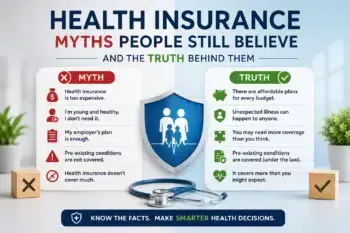
A lot of people skip insurance because they believe in myths like these:
- “It’s too expensive.” Many affordable plans exist, especially for young, healthy people.
- “I don’t need it if I’m single.” Even singles need coverage for medical bills or final expenses.
- “My employer coverage is enough.” Sometimes it’s not — employer life policies often provide minimal protection.
- “Life insurance is only for old people.” The younger and healthier you are, the cheaper it is.
If you’ve ever delayed buying insurance because it felt complicated, you’re not alone. But once you understand how it works, it becomes less of a mystery and more of a necessity.
Tips for Choosing the Right Life and Health Insurance

I’ve helped friends and family compare policies over the years, and these lessons always stick:
When choosing life insurance:
- Calculate how much your family would need to cover debts and living costs.
- Compare term and whole life — term is cheaper, whole builds cash value.
- Review your policy every few years as your situation changes.
When choosing health insurance:
- Check the network — make sure your preferred doctors and hospitals are included.
- Understand deductibles and co-pays before signing up.
- Use Health Savings Accounts (HSA) if available to save on taxes.
Real-Life Example: How Insurance Saved a Family
A few years ago, a friend’s husband passed unexpectedly. He was only 38, with two small kids. Thankfully, he had a $250,000 term life insurance policy. That money covered their mortgage and daily expenses for years, giving his wife space to grieve without worrying about finances.
Contrast that with another friend who faced a medical emergency without health insurance — she ended up with $80,000 in hospital debt. Same age, same city, different choices.
That’s the difference these policies can make.
Common Mistakes People Make
- Waiting too long to get covered (premiums rise with age).
- Choosing the cheapest plan without reading what’s excluded.
- Not updating beneficiaries after marriage or kids.
- Letting policies lapse due to missed payments.
Small oversights can have huge consequences — so always read the fine print and review your coverage yearly.
Related Topic (Internal Link Idea)
You may also like: [Understanding Term Life Insurance vs. Whole Life – Which One Fits You Best?]
Trusted External Resource
For verified information, visit the U.S. Department of Health & Human Services (HHS.gov) — an excellent source for official insurance and healthcare guidance.
FAQs
Disclaimer
This article is for general informational purposes only and does not constitute professional insurance advice. Please consult with a licensed insurance advisor before making any decisions.
Conclusion
Life and health insurance policies aren’t about fear — they’re about love, responsibility, and peace of mind. They ensure that when life takes an unexpected turn, you and your loved ones have a soft landing.
Take a little time today to review your coverage, ask questions, and make sure you’re protected. Because the best time to prepare for tomorrow… is today.
About the Author